Weight Limit
The maximum weight allowed is 85 kilograms, with individuals weighing under 65 kg eligible to assist with working with young horses.
Minimum Age
Participants must be at least 16 years old to join this program. Minors traveling alone must provide written consent from all legal guardians upon entry into Eswatini.
Riding Proficiency
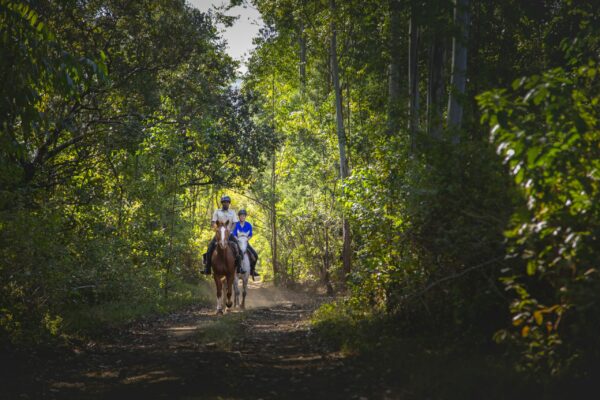
This program is specifically designed for experienced riders who can confidently control their horse and possess expertise in independent horse training and exercise. Prior experience with young horses is advantageous.
Duration of Stay
The program requires a minimum commitment of 2 weeks.
Additional Expenses
Wi-Fi is not included due to high costs in Eswatini. Wi-Fi vouchers are available in the camps, or volunteers can opt to use a local SIM card. Handwashing laundry is available in the camp for a nominal fee.
Safety
All guides have undergone first aid training and are equipped with radios connected to our base camps. Although our rides take us into relatively secluded areas, most locations are easily accessible by car in case of emergencies.
Terrain/Landscape/Animals
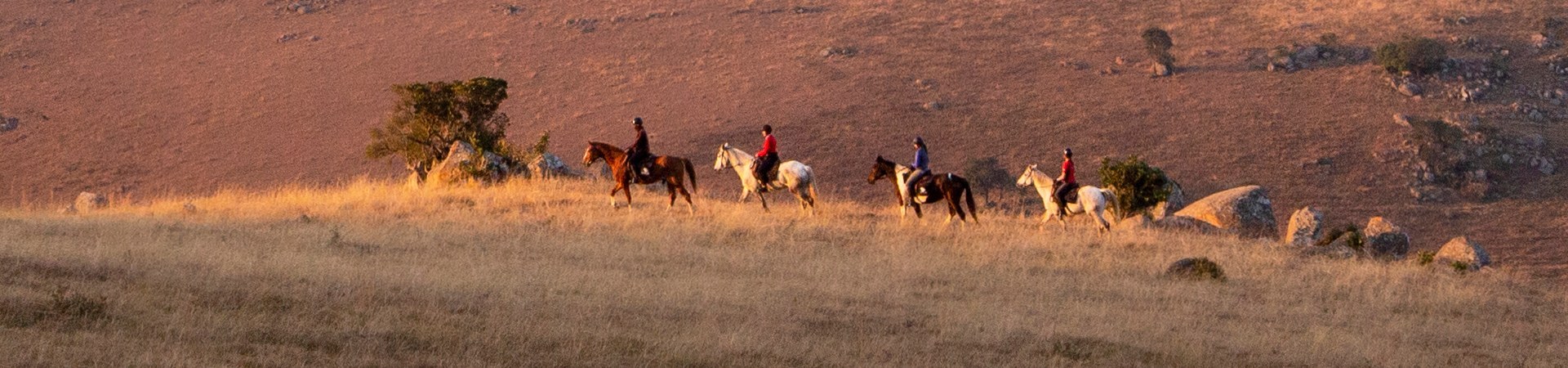
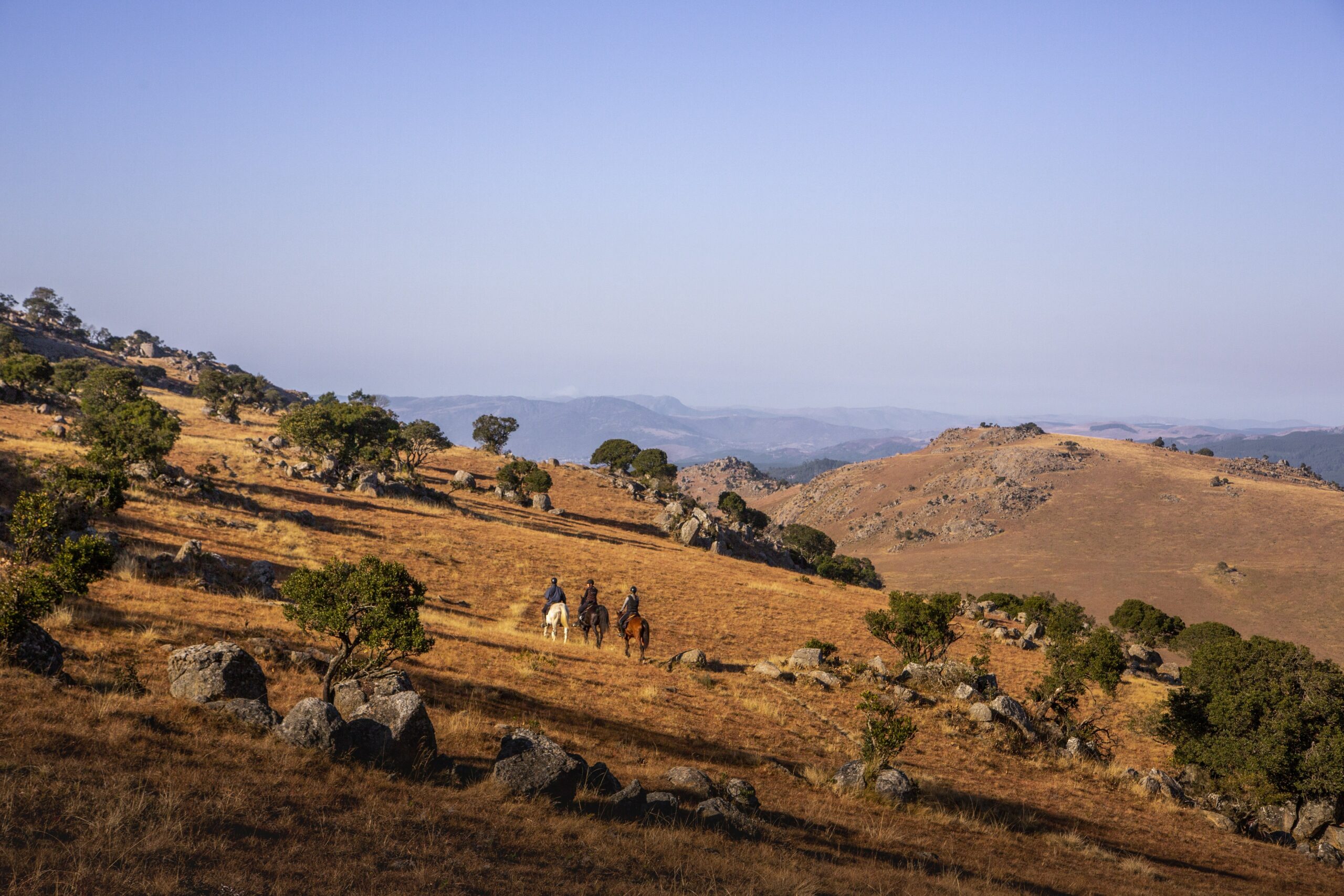
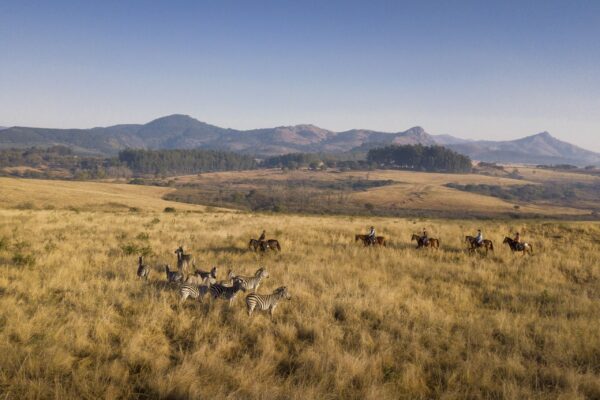
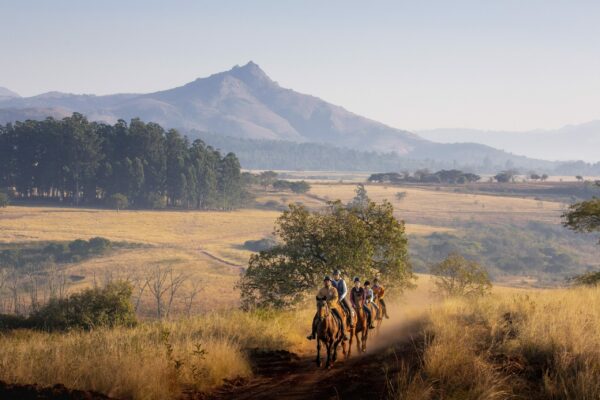
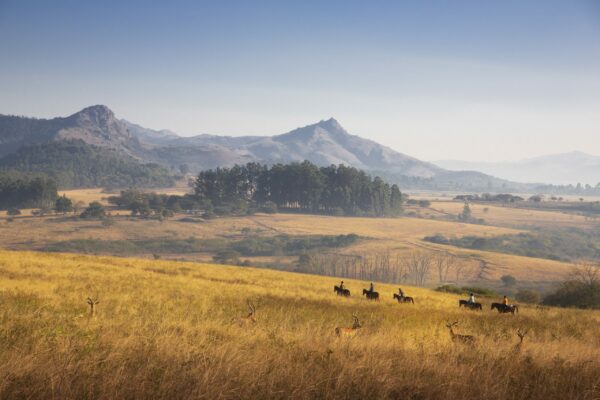
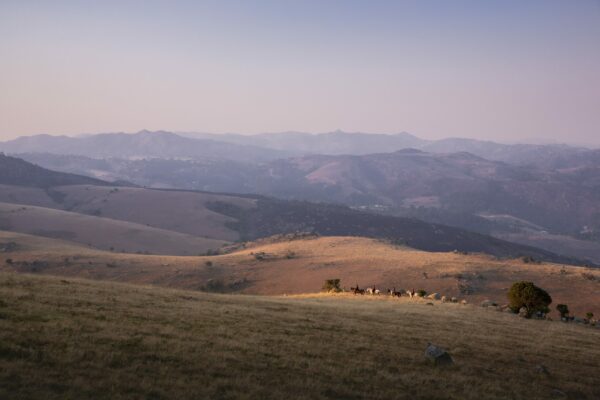
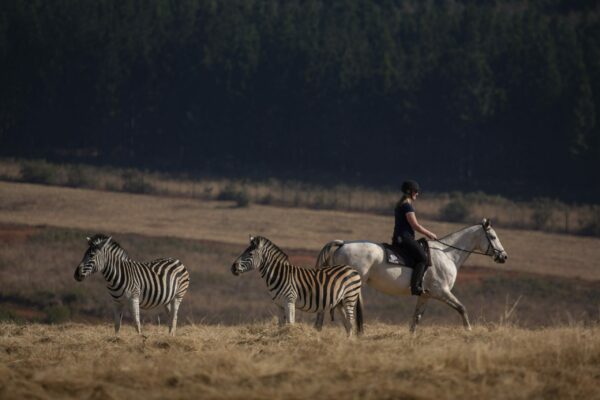
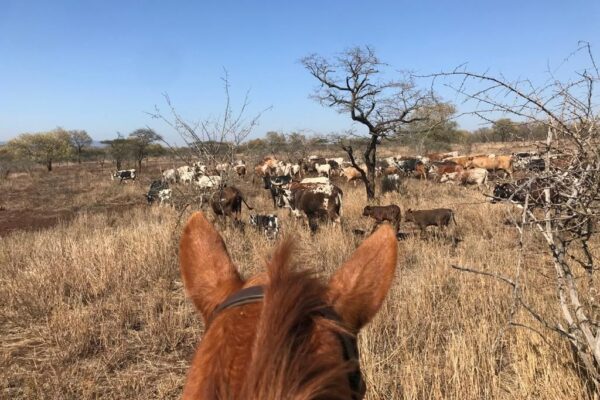
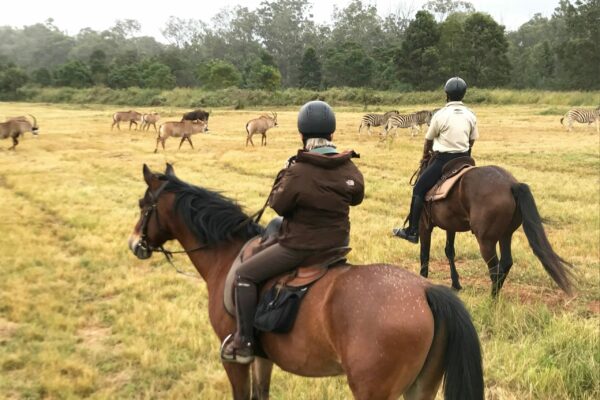
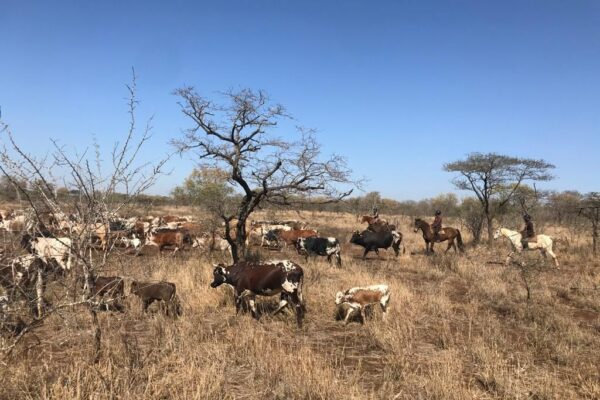
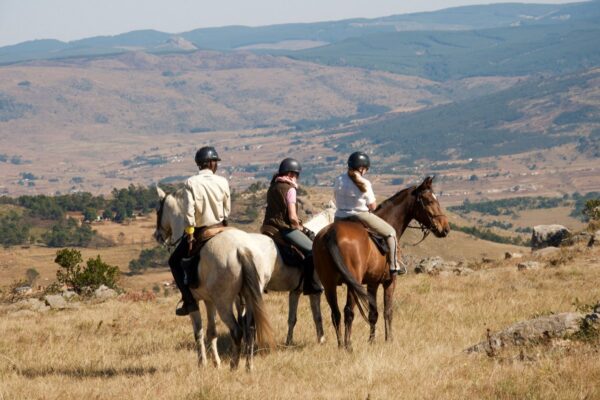
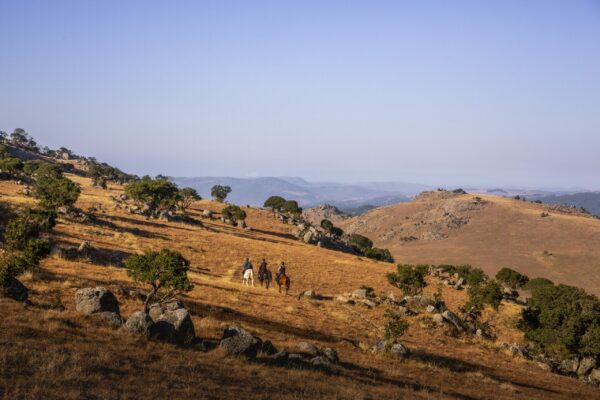
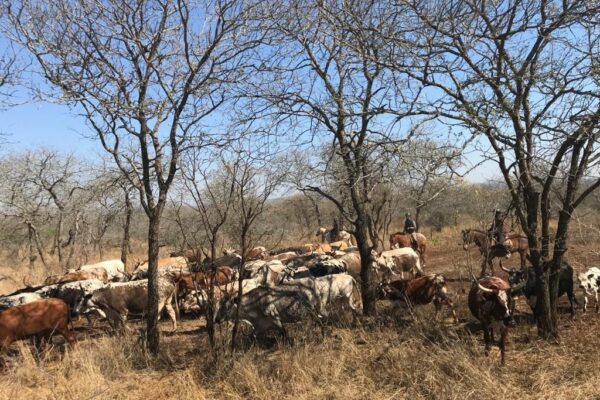
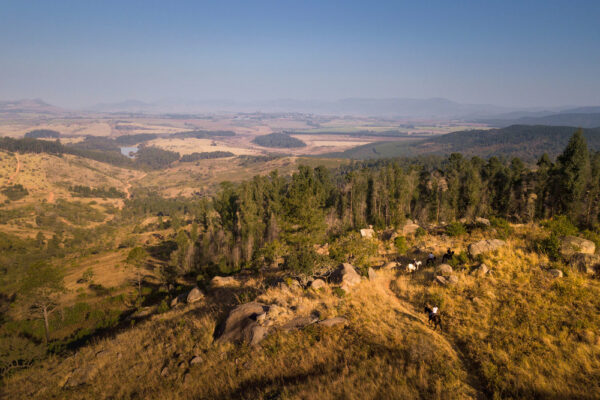
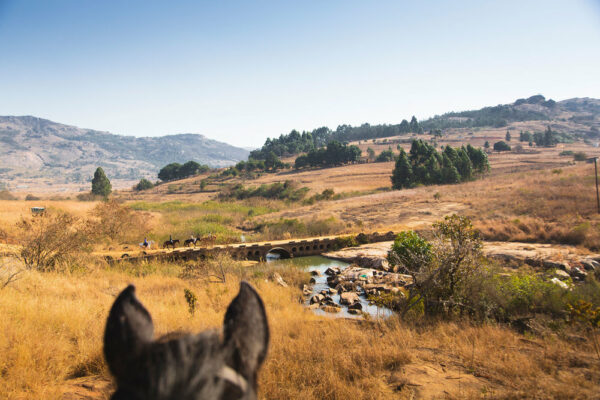
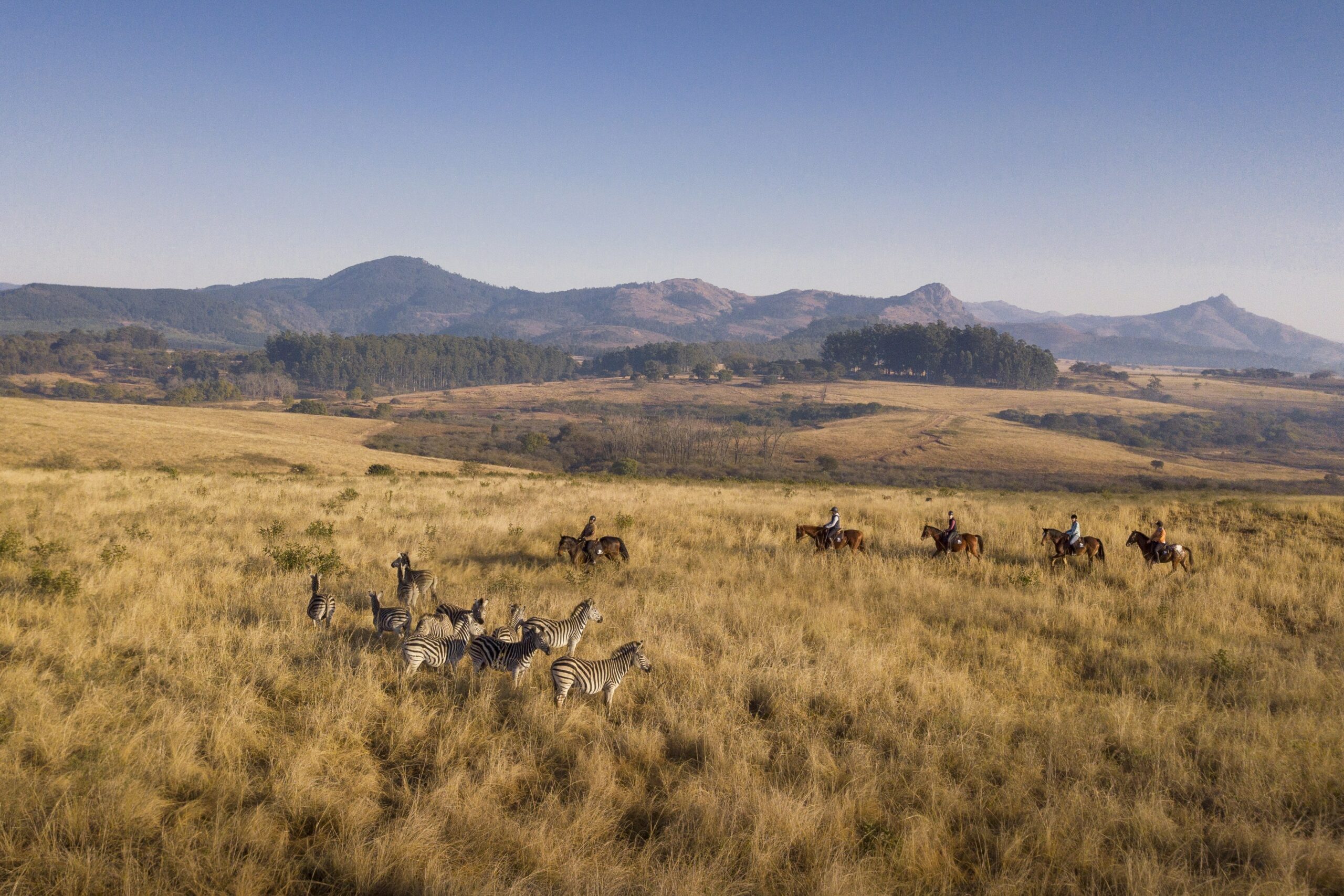
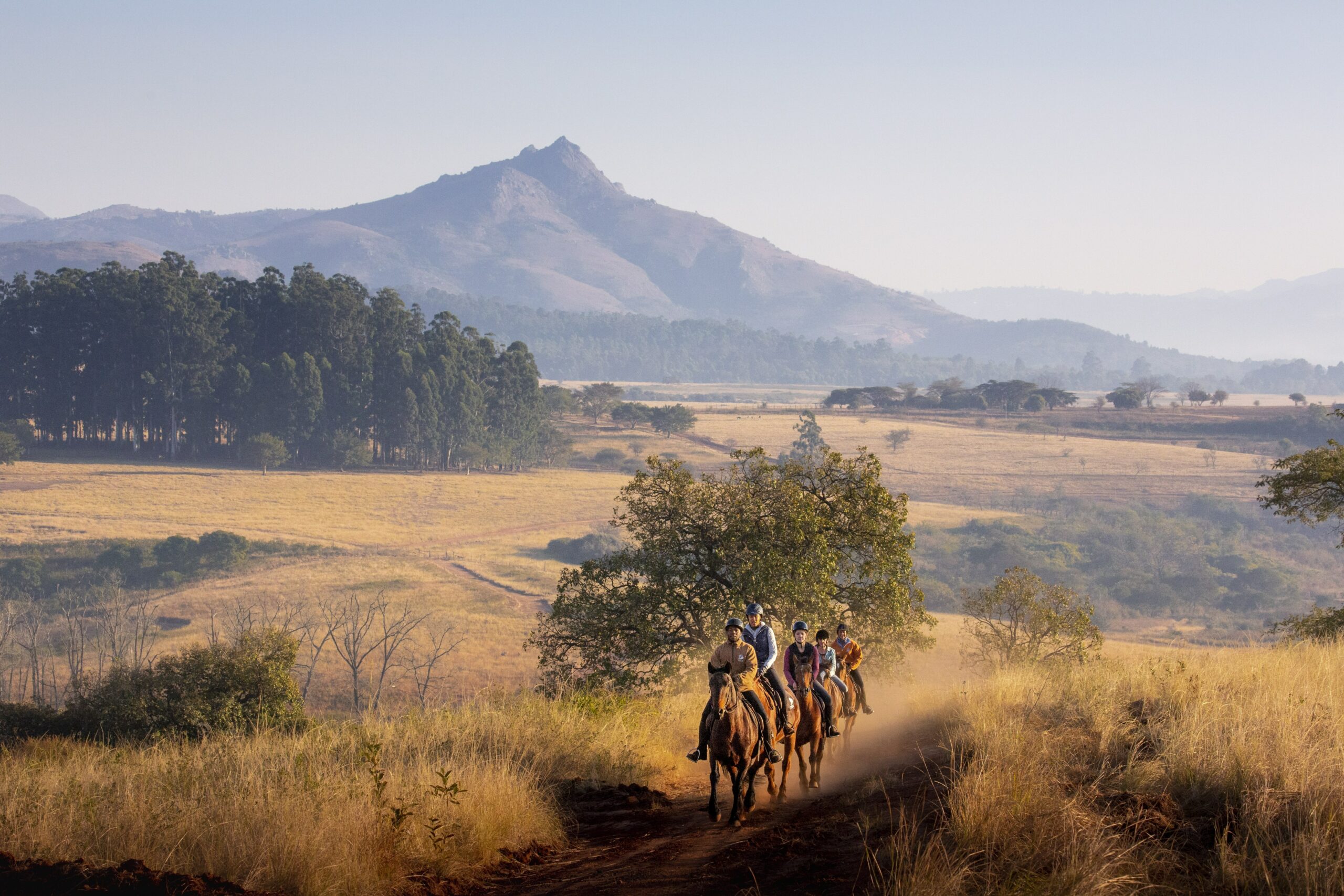
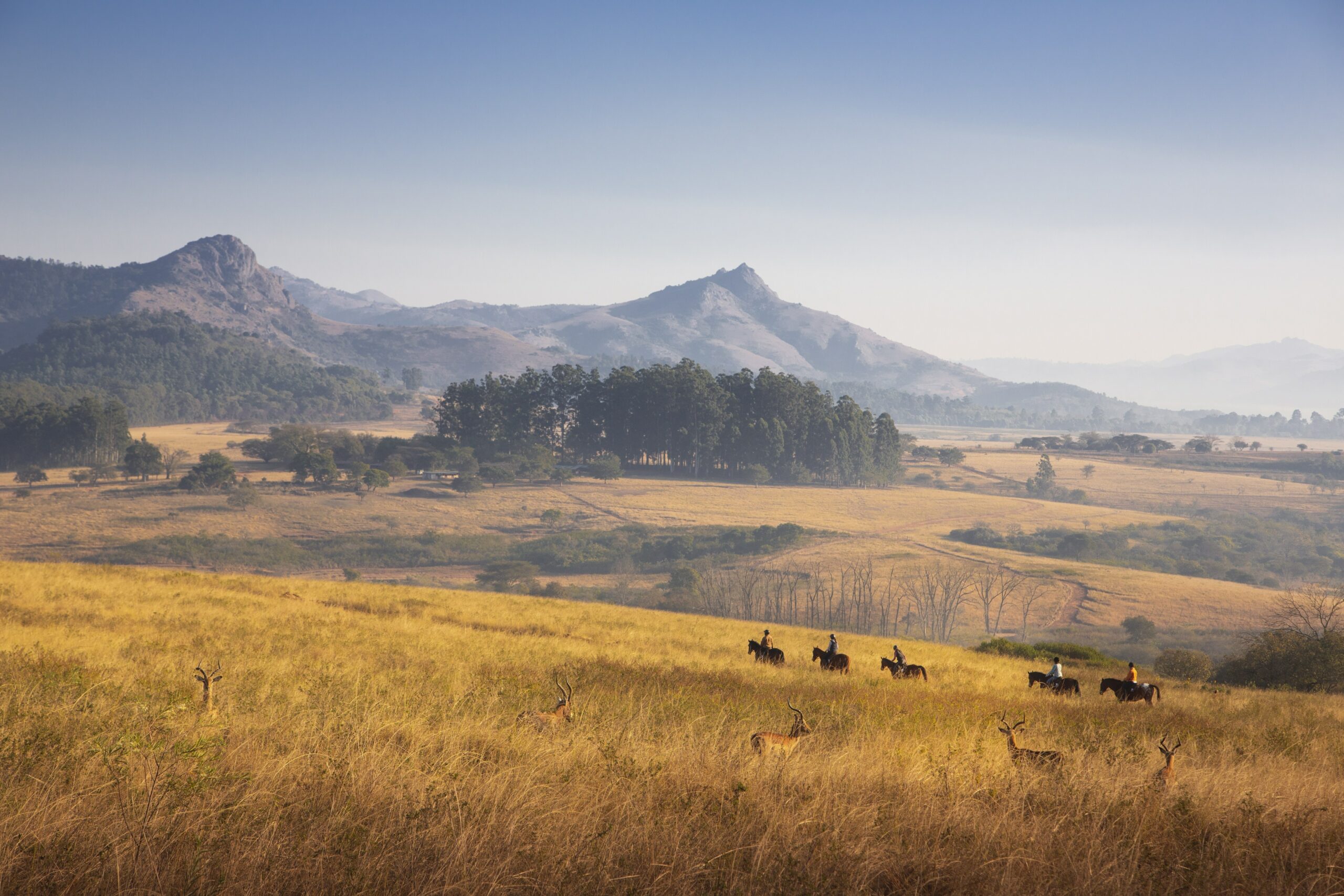
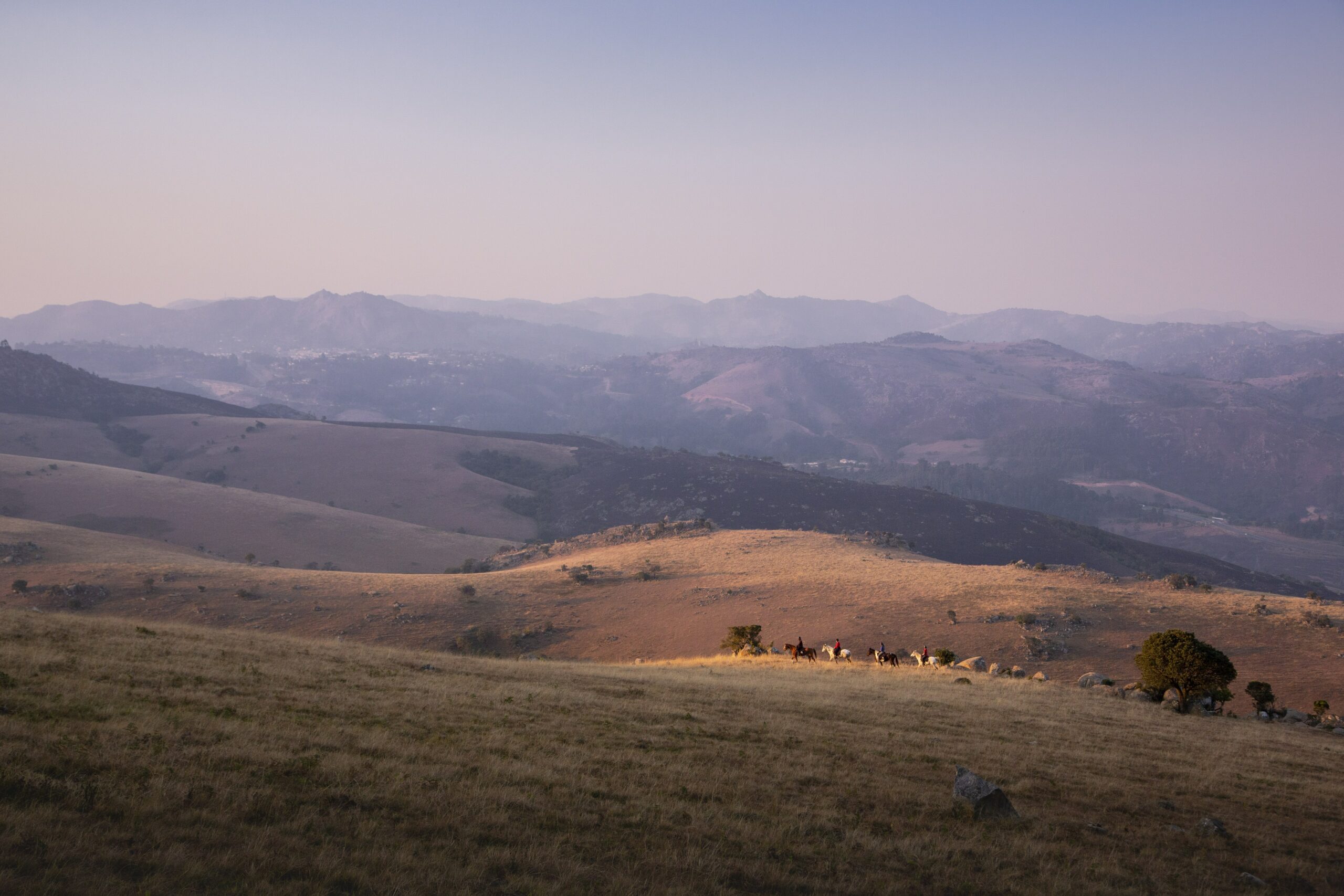
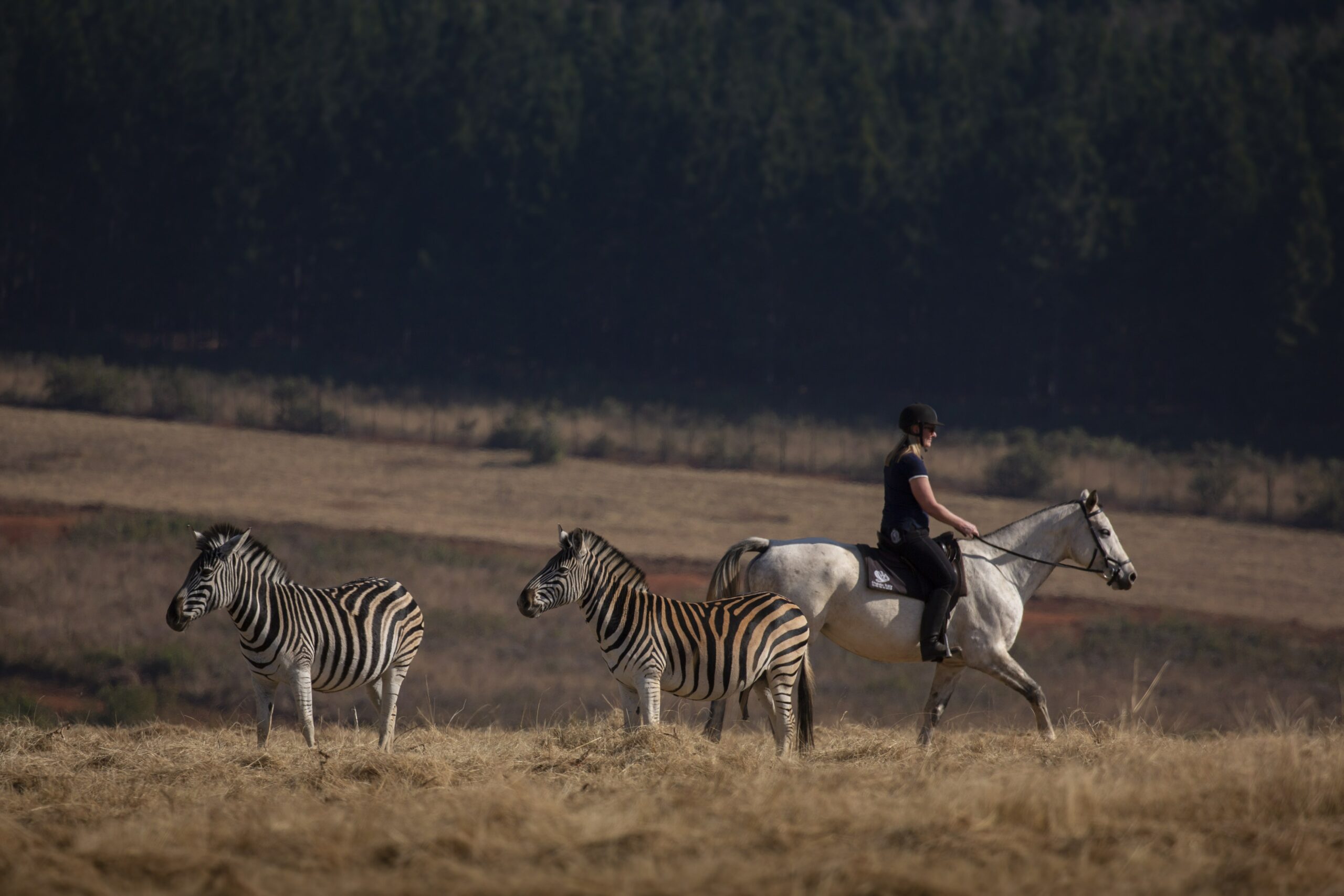
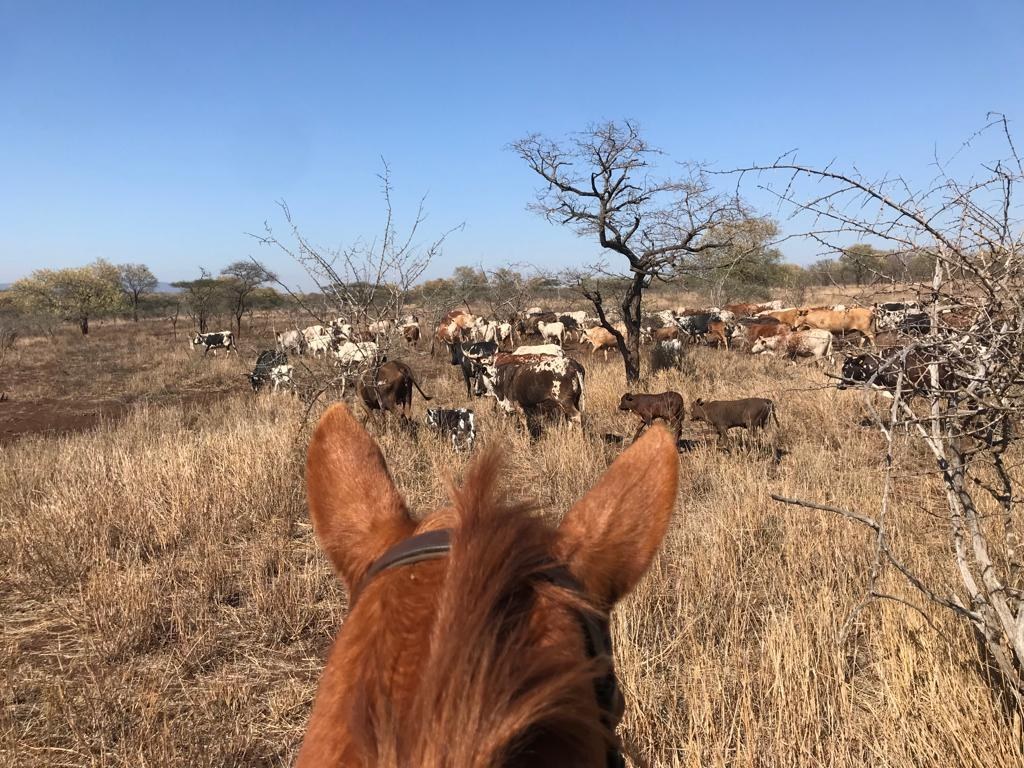
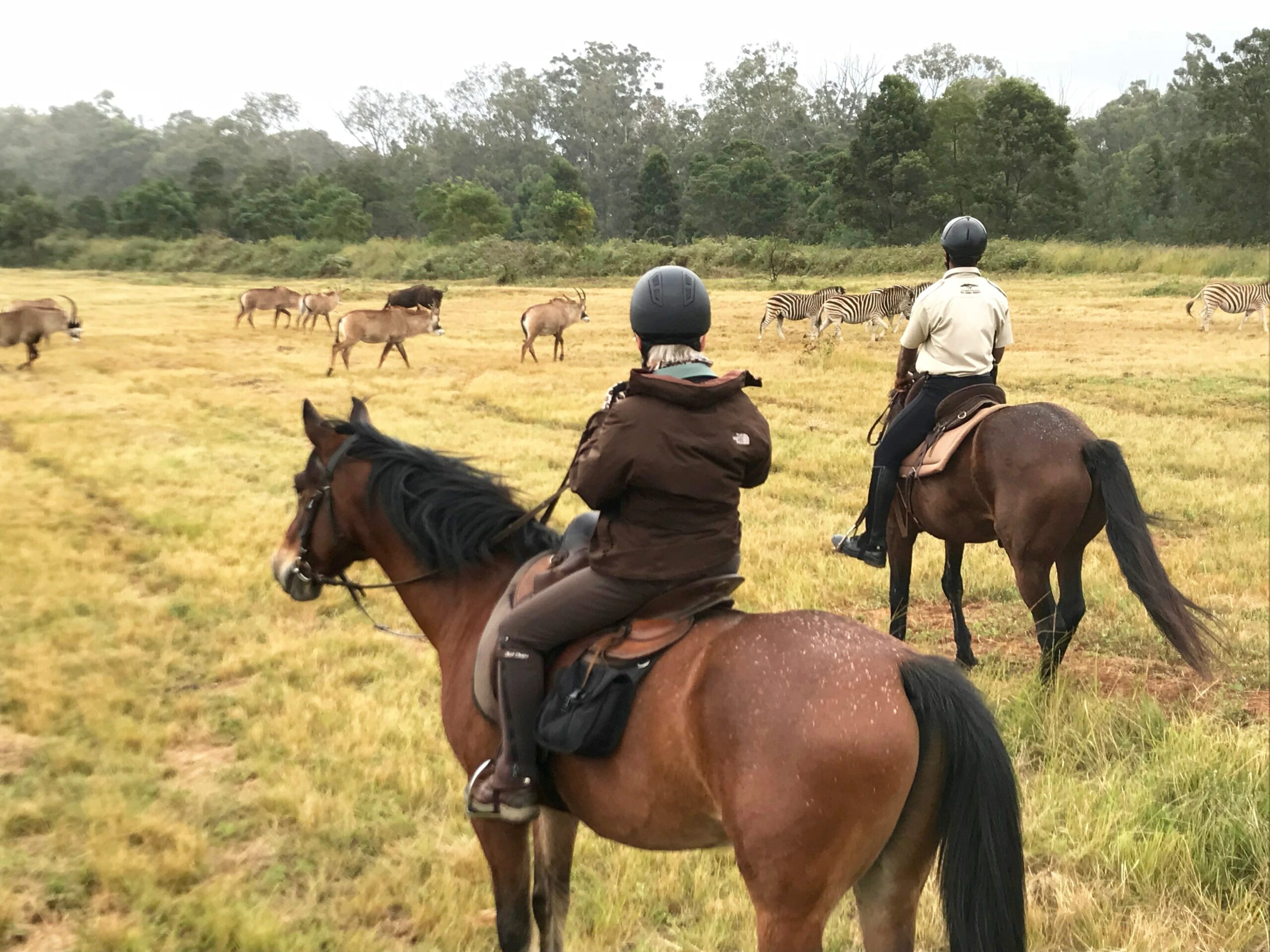
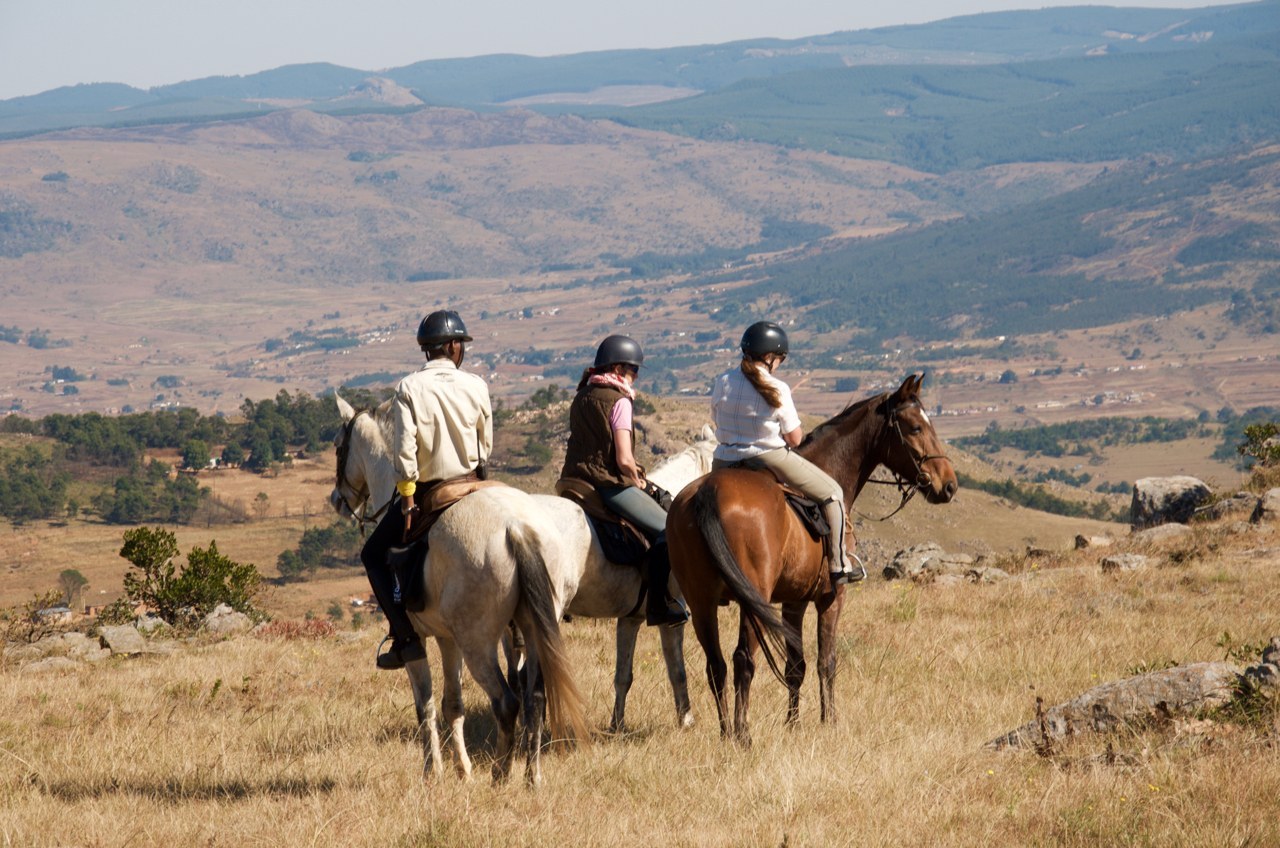
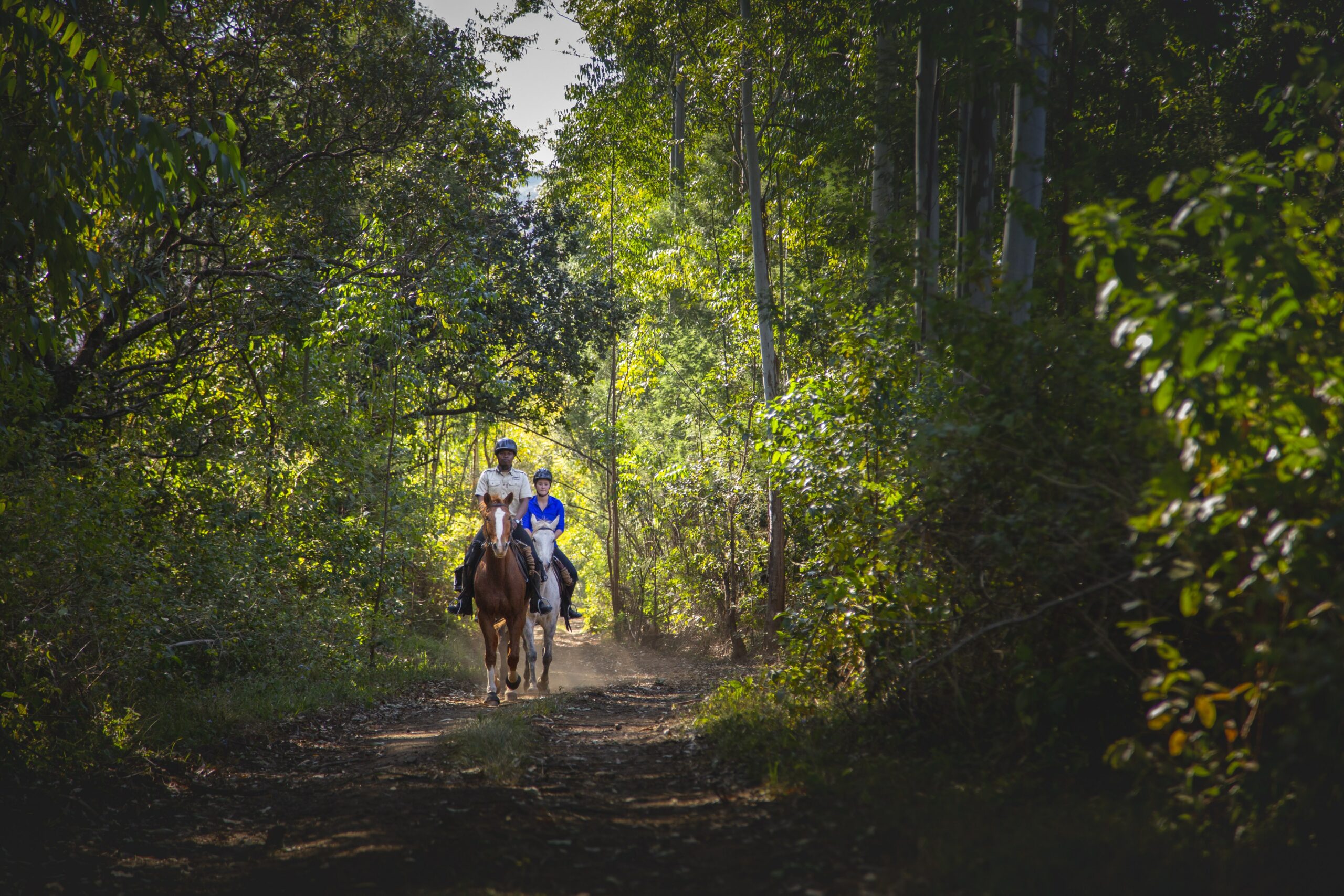
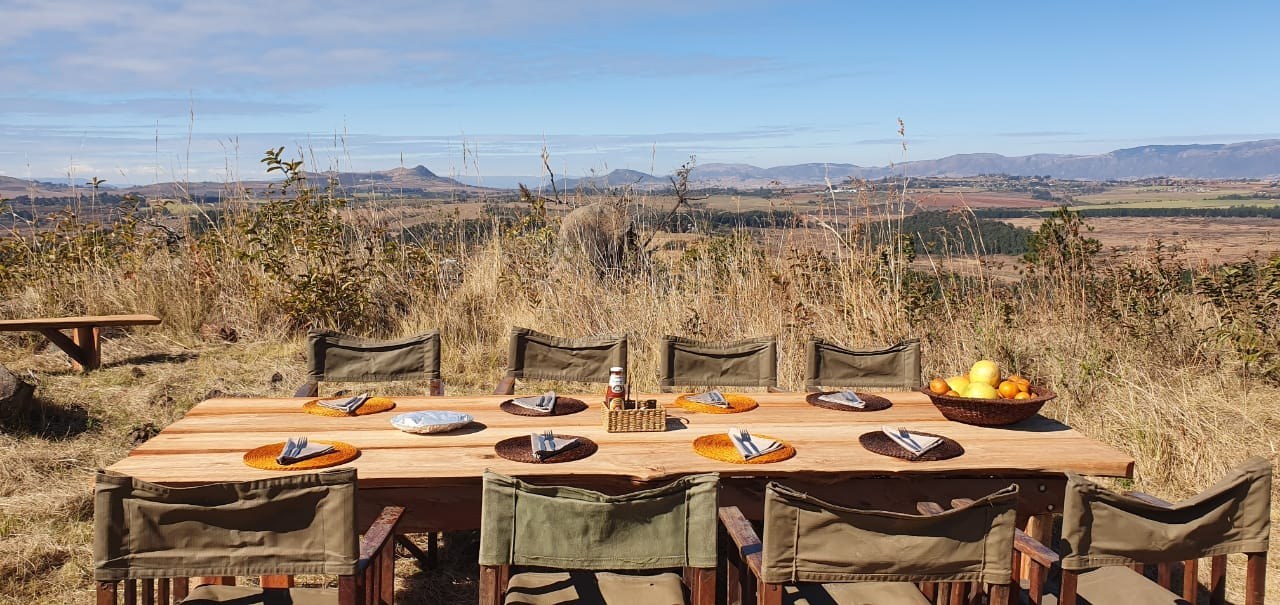
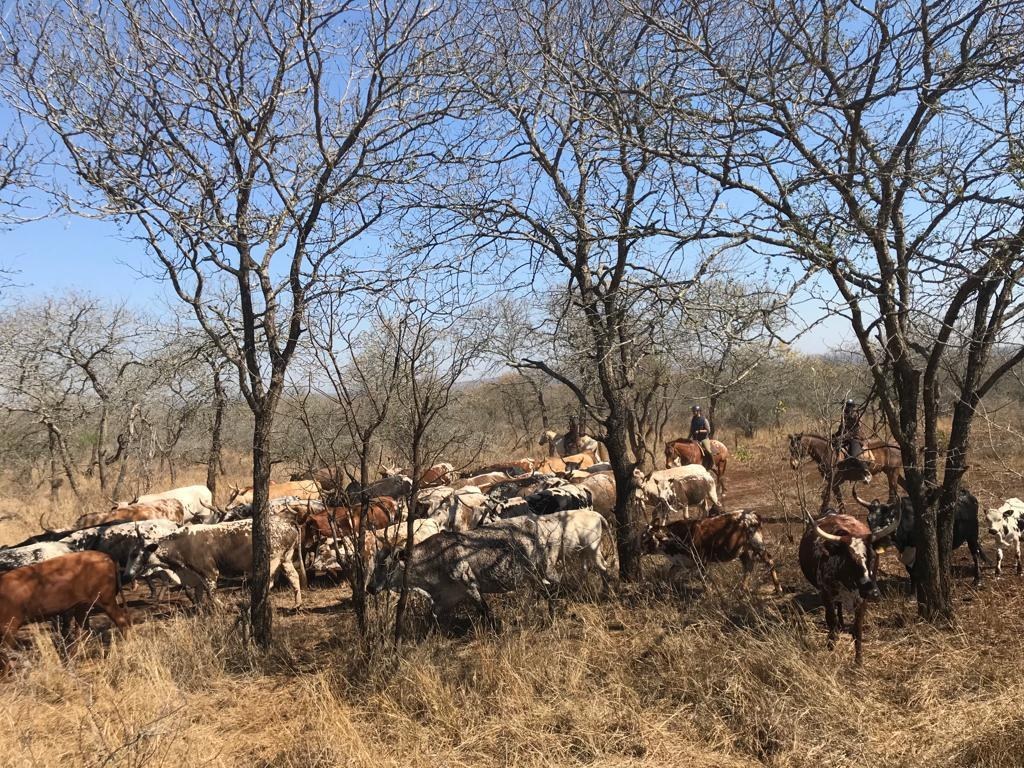
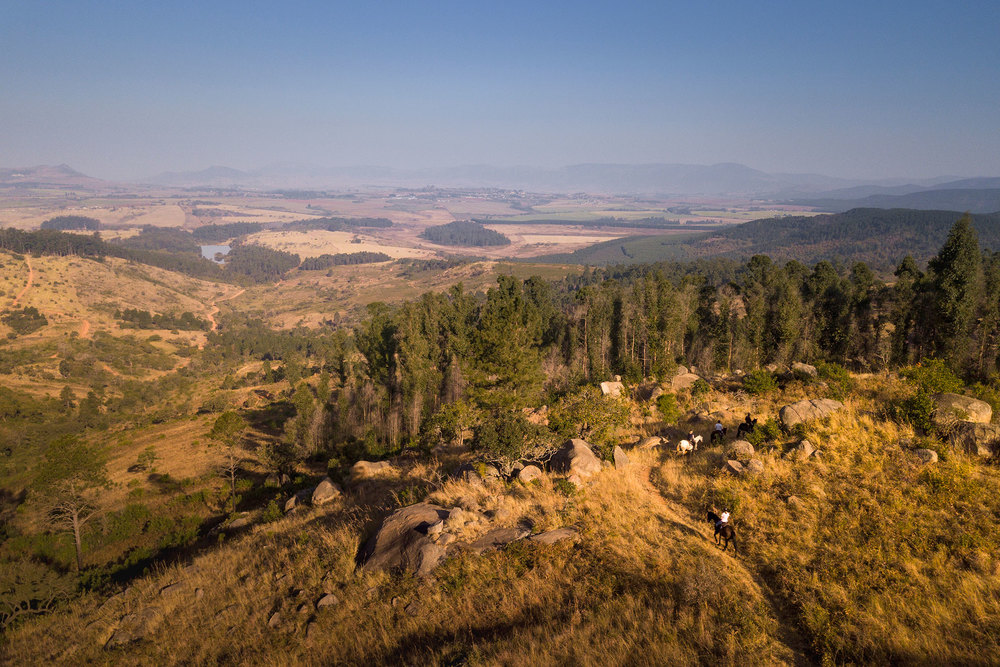
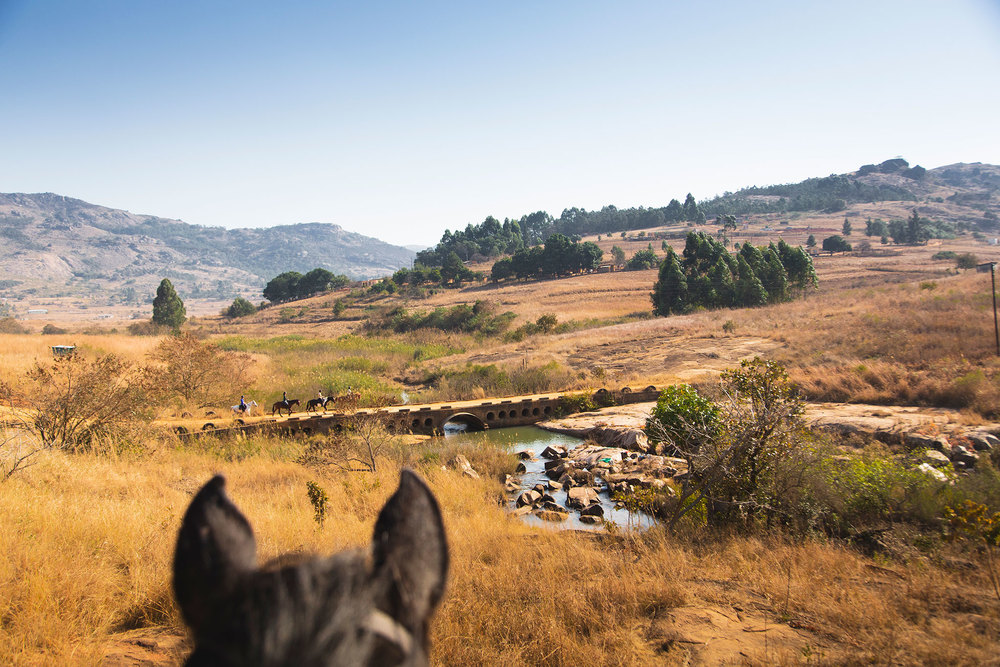
Mlilwane Wildlife Sanctuary spans a diverse zone between grass savanna and mountains, offering an ever-changing landscape with diverse habitats and species. From the saddle, you can enjoy sightings of hippos, crocodiles, fish eagles, and various water birds along watercourses. Riding through the plains provides encounters with wildebeests, zebras, nyalas, horse antelopes, blesboks, and impalas. Warthogs offer constant amusement in and around the camp. Originally a commercial farm and tin mine, now the first nature reserve in Eswatini, the area boasts fascinating historical sites such as Execution Rock, tin mines, Royal Graves, Bushman Cave, and more. Witnessing nature reclaim its space amidst the remnants of human activity is truly captivating.
Climate
The climate is subtropical, ranging from moderate to hot depending on altitude. The rainy season occurs from October to April, with a potential for flooding. Night temperatures can drop close to zero, and unexpectedly strong and chilly winds may occur, necessitating wind jackets. Daytime temperatures typically range from 17° to 25°C, with occasional variations. While our winter months generally feature clear skies and sunshine, rain and fog are still possible. Note that riding is avoided on slippery ground after rain.
Clothing
When packing, opt for a backpack or sports bag instead of a hard-shell suitcase, ideally made of waterproof material. It’s advisable to bring clothing you’ve ridden in before to avoid discomfort. Pack at least two pairs of riding pants to prevent chafing. Choose safari colors for all clothing, such as beige, khaki, or natural green, with darker colors preferred. Avoid wearing white and red. Given thorns on almost every tree in Africa, wear long clothing.
Here’s a list of essentials:
- 2-3 pairs of riding pants
- T-shirts and long-sleeved shirts in safari colors
- Comfortable evening wear
- Riding shoes
- Sport sandals
- Riding helmet
- Chaps
- Lightweight rain jacket
- Thin scarf
- Riding socks
- Underwear
- Shorts
- Sunglasses and sunscreen
- Lip balm
- Binoculars
- Camera with a dustproof cover
- Flashlight and headlamp
- Insect repellent
- Water bottle (750 ml; maximum diameter 7 cm)
Photos
We love capturing moments on our trails and are happy to share them with our guests! Feel free to bring a USB stick, and we can upload the photos directly after the trail.
Health
For travelers arriving directly from a yellow fever endemic area, a valid yellow fever vaccination is required for individuals aged one year and older (International Certificate of Vaccination, lifelong validity). This also applies to transit arrivals via Addis Ababa or Nairobi with a stay longer than 12 hours. Travelers who have been in South Africa before entering Eswatini and have not entered South Africa from a yellow fever endemic area do not need a vaccination certificate. Ensure that you and your children have up-to-date standard vaccinations according to the vaccination schedule of the Robert Koch Institute. Recommended travel vaccinations include Hepatitis A and Typhoid, with additional recommendations for Hepatitis B and Rabies for extended stays or special exposure.
Upon arrival at the camp, every volunteer must sign an indemnity form, declaring that all activities, including riding, are undertaken at their own risk. Big Game Parks strives to create a safe working environment. The form also requires a truthful declaration of health status and riding experience.
Adequate travel health insurance covering riding and national and international repatriation is essential for this journey!
Arrival
International guests are best served by flying to South Africa, specifically to OR Tambo Airport in Johannesburg. From there, connecting flights or shuttle buses are available. The recommended shuttle departs from ORT at 9:30 AM, arriving in Ezulwini at 2 PM. On the departure day, the transfer is timed for the shuttle at 10:30 AM. If you need a transfer outside these times, an additional charge of 100 ZAR per person will apply for groups of 1-4 people.
Entry and Visa
For tourist stays, a visa for 30 days is granted upon entry (“on arrival”) at the border. Note that you must present a valid passport with at least 2 blank pages. Children traveling with only one parent also require written confirmation from the other parent.